Natural European Herbs That Have Supported Skin Glow for Generations
Across Europe, skincare has long been rooted in simplicity, nature, and consistency.
Before modern routines existed, women relied on gentle herbs grown locally—used not to change the skin, but to support its natural balance.
Many of these traditions still influence modern beauty philosophies today, especially the focus on calm, hydrated, and resilient skin.
Below are some timeless European herbs that have been valued for their skin-supporting qualities.
1. Chamomile — The Calm Skin Essential
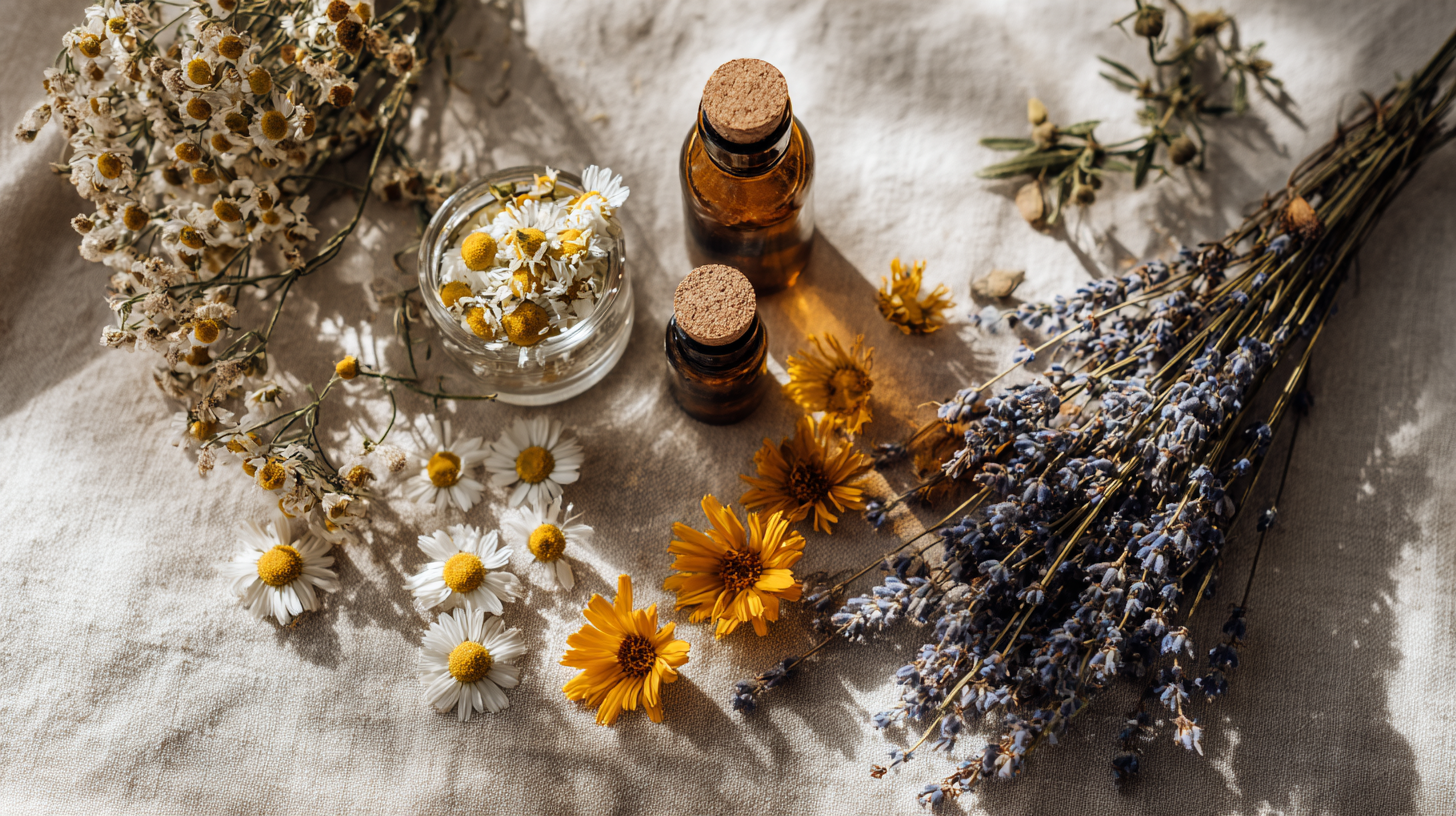
Chamomile has been widely used across Central and Western Europe for centuries, especially in daily wellness rituals.
Traditionally associated with calming properties, chamomile was often used in gentle skin preparations to support comfort and balance—particularly for skin exposed to cold climates and seasonal changes.
Why it mattered historically:
European women favored chamomile for its ability to support calm-looking skin without harsh intervention.
2 .Calendula — A Heritage Herb for Skin Comfort
Calendula, also known as marigold, has deep roots in European herbal traditions.
It was commonly infused into oils or water-based preparations and valued for supporting the skin’s natural recovery process—especially after exposure to wind, dryness, or daily stressors.
Traditional role:
Calendula symbolized care, patience, and gentle restoration rather than instant results.
3 .Lavender — Balance Through Simplicity
Lavender is one of Europe’s most iconic herbs, particularly in Mediterranean regions.
Beyond its calming aroma, lavender was historically used as part of evening rituals—supporting relaxation, rest, and overall balance. These factors indirectly contributed to healthier-looking skin by reducing stress-related dullness.
European philosophy:
Balanced living leads to balanced skin.
4 .Rosemary — A Symbol of Vitality
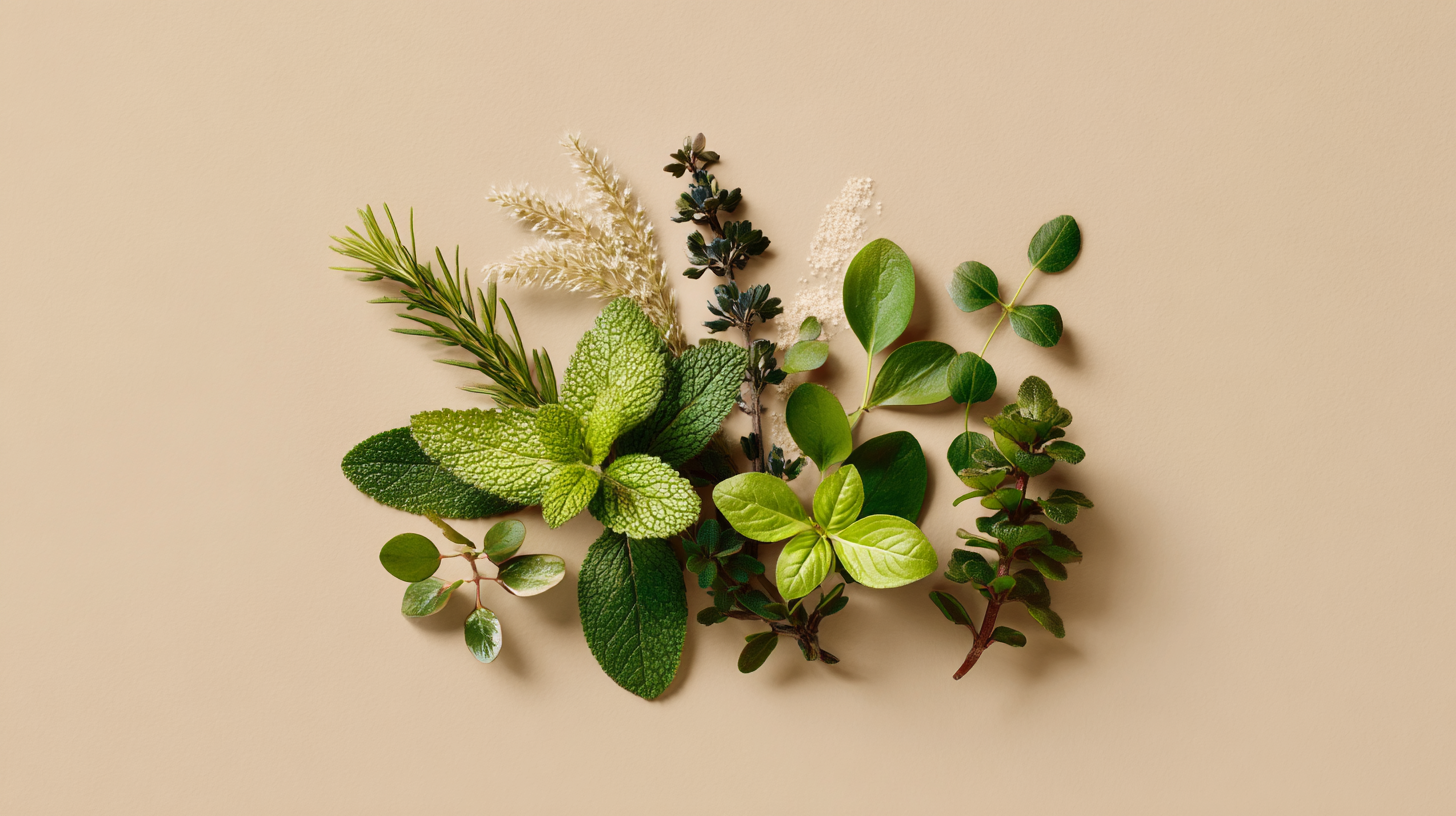
Rosemary has long been associated with clarity and vitality in Southern European cultures.
Traditionally, it was valued for stimulating daily routines and supporting circulation-related practices—often linked with maintaining a fresh, energized appearance.
Key belief:
Healthy skin reflects movement, routine, and consistency.
5 .Elderflower — Softness and Refinement
In Northern and Western Europe, elderflower was commonly used in gentle skin and wellness preparations.
It was appreciated for its association with softness and refinement—qualities deeply connected to European beauty ideals focused on subtlety rather than intensity.